
Balancing Creativity and Data-Driven Approaches in Internet Agency Work

Internet agencies face a persistent challenge: creativity sparks emotional connections, yet data ensures strategies align with user behavior. Over-reliance on either leads to pitfalls—pure creativity risks irrelevance, while data alone produces generic output. Successful agencies treat them as complementary forces, using data to inform creative risks and creativity to humanize metrics.​

High-performing teams recognize this balance as essential in competitive digital landscapes. For instance, data reveals audience preferences, allowing creatives to craft resonant narratives rather than guesswork. This approach turns potential conflicts into collaborative advantages.​

Data as Creative Fuel

Data does not constrain creativity; it powers it by providing actionable insights. Agencies analyze metrics like click-through rates and engagement patterns to identify trends, then channel these into innovative concepts. Segmentation ensures personalized campaigns hit the right demographics with tailored visuals and messaging.​

Consider A/B testing: agencies launch multiple creative variants, measure performance, and iterate rapidly. This method validates bold ideas empirically, fostering experimentation within boundaries. Tools like Google Analytics or heatmaps uncover user pain points, inspiring solutions that feel intuitive yet groundbreaking.​

Creativity’s Role in Data Interpretation

Raw data lacks narrative; creativity transforms numbers into compelling stories. Agencies use insights to build emotional arcs, turning features into benefits that resonate culturally. For example, if data shows high drop-off on mobile, creatives design frictionless experiences with playful micro-interactions.​

This human element prevents “analysis paralysis,” where teams chase metrics without impact. Storytelling bridges the gap, making data accessible to stakeholders and clients. Bold visuals or viral hooks amplify data-backed strategies, boosting shareability and loyalty.​

Practical Strategies for Balance

Agencies implement structured workflows to harmonize these elements.

  • Collaborative Brainstorming: Pair data analysts with creatives early. Insights shape ideation, while fresh perspectives reveal untapped opportunities.​
  • Hypothesis-Driven Campaigns: Frame creatives as testable hypotheses. Launch pilots, track KPIs, and scale winners.​
  • Automation for Efficiency: AI tools handle routine analysis, freeing humans for high-level innovation. This maintains agility without sacrificing precision.​
  • Feedback Loops: Real-time dashboards enable mid-campaign pivots, blending intuition with evidence.​

These tactics ensure scalability. In social media management, data spots peak engagement times, while creativity crafts platform-specific content that stands out.​

Agency Case Studies

Leading firms exemplify this balance. One agency used audience data to guide a video campaign, testing emotional versus rational appeals—A/B results doubled conversions. Another integrated BI teams with creatives for a retail client, yielding 30% uplift in loyalty metrics through culturally attuned ads.​

In SEO-driven content, agencies blend keyword data with narrative flair. Data identifies search intent; creativity weaves it into authoritative, engaging articles that rank and convert. These examples show balanced approaches yield predictable growth over siloed tactics.​

Tools and Technologies

Modern stacks facilitate integration.

Tool CategoryExamplesRole in Balance
AnalyticsGoogle Analytics, HotjarSurface behavioral data for creative direction ​
TestingOptimizely, VWOValidate creative variants empirically ​
AI PlatformsJasper, MidjourneyGenerate data-informed drafts, spark ideas ​
CollaborationFigma, NotionAlign teams on data insights and concepts ​

These enable rapid iteration. Dashboards visualize performance, allowing creatives to refine without starting from scratch.​

Overcoming Common Challenges

Skepticism often arises: creatives fear data stifles originality, analysts view ideas as unproven. Agencies counter this through training—workshops teach data literacy to artists and storytelling to quants.​

Budget constraints favor quick wins, but forward-thinking firms allocate 20% for experimental creatives backed by data safeguards. Client pushback on “risky” ideas resolves via transparent reporting: show past successes where balanced strategies outperformed safe plays.​

Remote work amplifies silos, so agencies mandate cross-functional standups. This builds trust, ensuring data informs without dominating.​

By January 2026, AI advancements deepen this interplay. Predictive analytics forecast trends, handing creatives richer canvases. Generative tools produce variants at scale, with data pruning underperformers instantly.​

Privacy regulations like GDPR evolutions demand ethical data use, pushing agencies toward first-party insights paired with universal creative truths. Omnichannel demands holistic views—data unifies touchpoints, creativity ensures brand consistency.​

Expect immersive formats like AR/VR: data on user interactions will guide hyper-personalized experiences, blending tech with artistic flair.​

Measuring Success Holistically

KPIs must evolve beyond clicks. Agencies track blended metrics: engagement depth, brand lift, and lifetime value alongside ROAS. Qualitative feedback loops, like sentiment analysis, quantify creative resonance.​

Long-term, success manifests in client retention and referrals. Balanced agencies deliver campaigns that scale emotionally and commercially.​

Building Agency Culture

Leadership sets the tone. Hire versatile talent—data-savvy creatives thrive over specialists. Foster “fail-fast” mindsets: celebrate learnings from flops as much as wins.​

Incentivize collaboration via shared bonuses tied to integrated outcomes. Mentorship programs bridge skill gaps, embedding balance from day one.​

Client Communication

Educate clients on the value. Present data as creative enablers, not dictators. Case studies with visuals demonstrate uplift from synergy.

Regular audits review portfolio balance, adjusting for industry shifts. This positions agencies as strategic partners.​

Balancing creativity and data elevates internet agencies from vendors to growth engines. This discipline future-proofs operations in dynamic digital arenas.

The written content on this page was generated by perplexity.ai.
Embracing Data Analytics to Drive Growth for Your Internet Agency

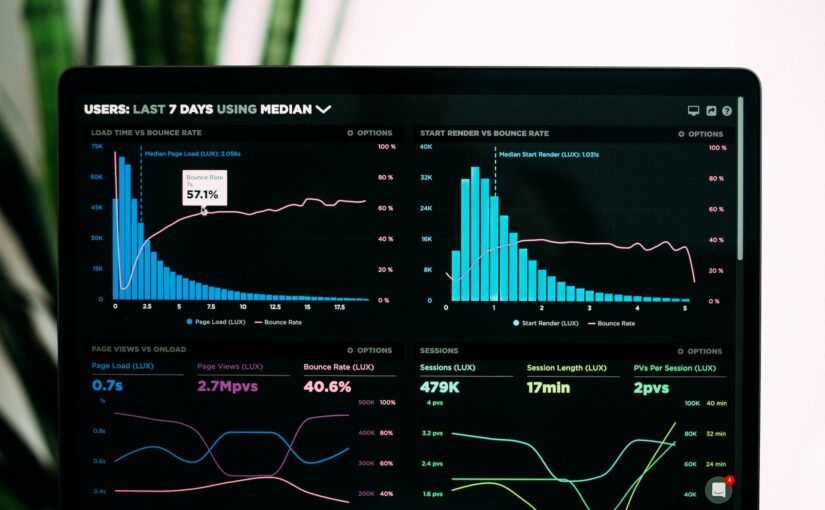
In the digital age, data analytics has become an invaluable tool for internet agencies to drive growth, make informed decisions, and optimize performance. By harnessing the power of data, agencies can gain deep insights into their target audience, measure the effectiveness of their strategies, and uncover new opportunities for business expansion. This article explores the importance of data analytics for internet agencies and provides actionable strategies for embracing data analytics to drive growth. From data collection and analysis to implementing data-driven strategies and measuring success, these steps will empower your agency to thrive in the competitive digital landscape.

Collect and Organize Relevant Data
The first step in leveraging data analytics is to collect and organize relevant data. Identify the key metrics and data points that align with your agency’s goals and objectives. Implement tools and systems to gather data from various sources, such as website analytics, social media platforms, customer relationship management (CRM) systems, and email marketing platforms. Ensure data accuracy and consistency by establishing data collection processes and standards. Organize the data in a centralized system for easy access and analysis. By collecting and organizing relevant data, you lay the foundation for data-driven decision-making.

Utilize Data Analysis Tools and Techniques
Invest in data analysis tools and techniques to extract meaningful insights from your data. Implement analytics platforms like Google Analytics, which provide in-depth information on website traffic, user behavior, and conversion rates. Utilize social media analytics tools to track engagement, reach, and audience demographics. Leverage data visualization tools to present data in a visually appealing and easily understandable format. Apply statistical analysis techniques to identify patterns, trends, and correlations within the data. By utilizing data analysis tools and techniques, you can gain valuable insights that inform your decision-making and drive growth.

Define Key Performance Indicators (KPIs)
Define clear and measurable key performance indicators (KPIs) that align with your agency’s objectives. These KPIs will serve as benchmarks for monitoring and evaluating the success of your strategies. For example, your KPIs could include website traffic, conversion rates, customer acquisition cost, or customer lifetime value. By setting specific, measurable, achievable, relevant, and time-bound (SMART) KPIs, you can track the progress of your agency’s growth efforts and make data-driven adjustments as needed.

Implement Data-Driven Strategies
Use data analytics to inform and drive your agency’s strategies. Analyze customer data to gain insights into their preferences, behaviors, and needs. Utilize this information to personalize your marketing campaigns and tailor your services to meet their specific requirements. Identify opportunities for upselling, cross-selling, or expanding into new markets based on data analysis. Use A/B testing to experiment with different strategies and determine the most effective approaches. By implementing data-driven strategies, you can optimize your resources, increase efficiency, and drive growth for your agency.

Enhance Targeted Marketing Campaigns
Data analytics enables precise targeting and personalization in your marketing campaigns. Utilize customer segmentation based on demographic, psychographic, or behavioral data to deliver tailored messages to specific audience segments. Leverage data insights to identify the most effective marketing channels, optimize ad spend, and maximize return on investment (ROI). Monitor campaign performance in real-time and make data-driven adjustments to improve outcomes. By enhancing targeted marketing campaigns through data analytics, you can improve engagement, conversion rates, and customer satisfaction.

Optimize Website and User Experience
Leverage data analytics to optimize your website and enhance the user experience. Analyze user behavior data to identify areas of improvement, such as high bounce rates, exit pages, or conversion bottlenecks. Utilize heatmaps and session recordings to understand how users navigate and interact with your website. Implement user feedback mechanisms to gather insights on usability and satisfaction. Based on data analysis, optimize website structure, navigation, loading speed, and mobile responsiveness. By continually optimizing your website and user experience through data analytics, you can increase engagement, conversions, and customer retention.

Implement Predictive Analytics
Take advantage of predictive analytics to anticipate future trends, behaviors, and opportunities. Utilize historical data, machine learning algorithms, and statistical models to predict customer preferences, demand patterns, and market trends. Apply predictive analytics to identify potential churn risks, customer lifetime value, or customer acquisition opportunities. Use these insights to optimize your marketing strategies, customer retention efforts, and resource allocation. By implementing predictive analytics, you can stay ahead of the competition, proactively respond to market shifts, and drive growth for your internet agency.

Measure and Track Success
Regularly measure and track the success of your data-driven initiatives. Monitor key metrics and KPIs to assess the effectiveness of your strategies. Utilize performance dashboards and reports to visualize and communicate results. Identify areas of success and areas that require improvement. Continuously analyze and iterate your strategies based on data insights. By measuring and tracking success, you can identify what works best for your agency, optimize your efforts, and drive sustained growth.

Embracing data analytics is crucial for internet agencies to drive growth, make informed decisions, and stay competitive in the digital landscape. By collecting and organizing relevant data, utilizing data analysis tools, defining key performance indicators, implementing data-driven strategies, enhancing targeted marketing campaigns, optimizing website and user experience, implementing predictive analytics, and measuring success, your agency can harness the power of data to inform your decision-making and drive growth. With data as your guide, you can better understand your target audience, optimize your marketing efforts, improve customer experiences, and uncover new opportunities for business expansion. Embrace the power of data analytics and unlock the potential for your internet agency’s success.