
Crafting Compelling Web Design and Enhancing User Experience for Your Clients

In the digital era, a captivating web design and seamless user experience (UX) are paramount for businesses seeking to engage and convert online visitors. A well-designed website not only reflects a company’s brand but also guides users through a journey that is both visually appealing and user-friendly. This article delves into the art of creating compelling web design and enhancing user experience for your clients. From understanding the principles of effective design to optimizing navigation and incorporating interactive elements, these steps will equip you to deliver websites that leave a lasting impact on users and drive business success.

Understanding the Fundamentals of Design
Effective web design begins with a solid understanding of design principles. Consider aspects such as layout, color theory, typography, and visual hierarchy. Develop a consistent color palette that aligns with your client’s brand and evokes the desired emotional response. Choose fonts that are easy to read and reflect the brand’s tone. Establish a clear visual hierarchy to guide users’ attention and lead them through the content. By mastering these fundamentals, you lay the groundwork for creating visually appealing and engaging websites.

Prioritizing User-Centered Design
User-centered design places the needs and preferences of users at the forefront. Conduct thorough research to understand your client’s target audience, their behaviors, and preferences. Develop user personas that represent different segments of the audience. Tailor your design and user experience to cater to these personas, ensuring that the website’s layout, content, and functionality meet their expectations. Prioritizing user-centered design results in a website that resonates with visitors, enhances their experience, and increases the likelihood of conversion.

Optimizing Navigation and Information Architecture
Smooth navigation is a cornerstone of a positive user experience. Organize content logically and create an intuitive information architecture. Implement clear and easily accessible navigation menus that guide users to their desired destinations. Utilize descriptive labels for menu items and ensure that users can find important information with minimal clicks. Incorporate a search functionality to help users quickly locate specific content. Well-structured navigation streamlines the user journey, reducing frustration and encouraging users to explore more of the website.

Embracing Responsive Design
With the prevalence of mobile devices, responsive design is essential. Create websites that adapt seamlessly to various screen sizes and orientations. Employ a mobile-first approach, designing for mobile devices before optimizing for larger screens. Ensure that images, text, and interactive elements are appropriately scaled for different devices. Responsive design enhances user experience by delivering a consistent and visually pleasing interface across all devices, regardless of whether users are browsing on smartphones, tablets, or desktop computers.

Incorporating Interactive Elements
Engaging users through interactive elements elevates the overall user experience. Consider incorporating features like sliders, interactive infographics, and animations that add dynamism to the website. Implement micro-interactions, such as hover effects and click animations, to provide instant feedback and enhance user engagement. Interactive elements captivate users’ attention, encourage interaction, and create a memorable browsing experience that sets the website apart.

Streamlining Load Times and Performance
Speed and performance significantly impact user experience. Optimize website load times by compressing images, minifying code, and utilizing browser caching. Choose a reliable hosting provider that ensures quick loading of web pages. Slow-loading websites frustrate users and lead to high bounce rates. A fast and responsive website keeps users engaged, improves retention, and contributes to higher conversion rates.

Crafting Compelling Visual Content
Visual content, including images, videos, and graphics, plays a pivotal role in web design. Use high-quality visuals that resonate with your client’s brand and messaging. Incorporate visuals strategically to break up text and enhance storytelling. Infuse visual content that aligns with the website’s purpose, whether it’s showcasing products, illustrating concepts, or conveying emotions. Well-chosen visuals not only capture users’ attention but also convey information efficiently and create an immersive browsing experience.

Continuous Testing and Iteration
Creating compelling web design and enhancing user experience is an ongoing process. Regularly test the website’s performance and usability through A/B testing and user feedback. Identify pain points, areas of improvement, and opportunities for refinement. Use analytics tools to track user behavior, engagement, and conversion rates. Based on the insights gained, iterate on the design and user experience to continually optimize and enhance the website’s performance.

Crafting compelling web design and enhancing user experience is an intricate blend of aesthetics, functionality, and user-centered principles. By understanding design fundamentals, prioritizing user needs, optimizing navigation, embracing responsive design, incorporating interactive elements, streamlining performance, crafting compelling visual content, and committing to continuous testing and iteration, you can deliver websites that captivate users, drive engagement, and facilitate conversions. A well-designed website not only reflects your client’s brand but also fosters meaningful connections with their audience, ensuring a positive and memorable digital journey that leaves a lasting impression.

Harnessing the Power of Content Marketing for Your Internet Agency

In today’s digital landscape, content marketing has become a crucial strategy for internet agencies to connect with their target audience, build brand awareness, and drive business growth. By creating and distributing valuable, relevant, and engaging content, agencies can establish themselves as thought leaders, attract potential clients, and nurture existing relationships. This article explores the power of content marketing for internet agencies and provides actionable strategies for harnessing its potential. From understanding your audience to creating compelling content and leveraging distribution channels, these steps will help your agency achieve success through effective content marketing.

Understand Your Target Audience
Effective content marketing starts with a deep understanding of your target audience. Conduct thorough research to identify their demographics, preferences, pain points, and content consumption habits. Create detailed buyer personas that represent your ideal clients. Use this information to tailor your content to their specific needs and interests. By understanding your audience, you can create content that resonates with them, solves their problems, and provides value, positioning your agency as a valuable resource in their journey.

Develop a Content Strategy
A well-defined content strategy is essential for successful content marketing. Define your agency’s goals and objectives for content marketing, such as increasing brand awareness, generating leads, or showcasing expertise. Identify the types of content that will best resonate with your audience, such as blog posts, videos, infographics, podcasts, or case studies. Plan your content calendar, outlining topics, publication dates, and distribution channels. Align your content strategy with your agency’s overall marketing and business goals to ensure coherence and effectiveness.

Create Valuable and Engaging Content
Valuable and engaging content is the cornerstone of effective content marketing. Focus on creating content that educates, entertains, or solves your audience’s problems. Offer insights, tips, and actionable advice that showcases your agency’s expertise. Use storytelling techniques to captivate your audience and make your content relatable. Incorporate visuals, such as images, videos, and infographics, to enhance engagement. Optimize your content for search engines by incorporating relevant keywords and providing valuable information. By consistently delivering high-quality content, you build trust, establish credibility, and foster audience loyalty.

Leverage Multiple Content Distribution Channels
To reach a wider audience and maximize the impact of your content, leverage multiple distribution channels. Publish content on your agency’s website or blog to drive organic traffic and establish a central hub for your content. Utilize social media platforms such as LinkedIn, Facebook, Twitter, and Instagram to share and promote your content. Explore guest posting opportunities on industry-related websites and publications to expand your reach and gain exposure to new audiences. Consider email marketing campaigns to distribute content directly to your subscribers. Utilize content syndication platforms or repurpose content for different formats to extend its reach.

Optimize Content for Search Engines
Search engine optimization (SEO) is crucial for increasing the discoverability and visibility of your content. Conduct keyword research to identify relevant keywords and phrases that your audience is searching for. Incorporate these keywords strategically into your content, headlines, meta tags, and image alt tags. Structure your content with headings and subheadings to improve readability and SEO. Optimize your website’s loading speed, mobile-friendliness, and user experience to improve search engine rankings. By optimizing your content for search engines, you can attract organic traffic and improve the reach of your content.

Incorporate Lead Generation Strategies
Content marketing can be a powerful lead generation tool for internet agencies. Incorporate lead generation strategies into your content, such as offering valuable gated content in exchange for contact information, creating engaging quizzes or assessments, or providing free consultations or trials. Utilize clear and compelling call-to-actions (CTAs) within your content to encourage readers to take the desired action, such as subscribing to your newsletter, contacting your agency, or downloading a resource. By effectively incorporating lead generation strategies into your content, you can convert visitors into qualified leads and ultimately into clients.

Measure and Analyze Content Performance
Regularly measure and analyze the performance of your content to evaluate its impact and make data-driven improvements. Utilize analytics tools such as Google Analytics to track key metrics, including website traffic, engagement, conversions, and bounce rates. Identify which types of content perform best and resonate most with your audience. Monitor social media metrics, email open rates, and click-through rates to gauge content effectiveness. Use the insights gained from data analysis to refine your content strategy, focus on high-performing content formats, and optimize your content distribution channels.

Nurture Client Relationships with Content
Content marketing also plays a vital role in nurturing client relationships. Develop content that addresses your existing clients’ needs, provides them with value, and showcases your commitment to their success. Offer exclusive resources, case studies, or industry insights that are relevant to their business. Tailor your content to their specific pain points and challenges. Regularly communicate with your clients through newsletters, updates, or personalized content recommendations. By nurturing client relationships through content, you build loyalty, foster trust, and position your agency as a long-term partner in their journey.

Harnessing the power of content marketing is crucial for internet agencies to establish their brand, attract clients, and nurture relationships. By understanding your audience, developing a robust content strategy, creating valuable and engaging content, leveraging multiple distribution channels, optimizing for search engines, incorporating lead generation strategies,measuring content performance, and nurturing client relationships through content, your internet agency can achieve success in the digital landscape. Consistency, relevance, and value are key elements of effective content marketing. By providing valuable insights, solving problems, and demonstrating your agency’s expertise, you can build trust, establish credibility, and drive business growth. Embrace the power of content marketing as a strategic tool to connect with your target audience, amplify your brand, and position your internet agency as a leader in your industry.

Crafting an Effective Digital Marketing Plan for Your Agency’s Success

In today’s digital age, a well-crafted digital marketing plan is essential for the success of any agency. A strategic and comprehensive plan helps agencies effectively reach and engage their target audience, generate leads, and drive business growth. This article will delve into the key steps and elements involved in crafting an effective digital marketing plan for your agency. By understanding your audience, setting clear objectives, selecting the right channels, and optimizing your efforts, you can create a roadmap to maximize your agency’s online presence and achieve tangible results.

Define Your Target Audience
The first step in crafting an effective digital marketing plan is to clearly define your target audience. Conduct thorough market research to understand their demographics, interests, preferences, and pain points. Develop detailed buyer personas that represent your ideal clients. This knowledge will enable you to tailor your marketing messages, content, and strategies to resonate with your audience, increasing the effectiveness of your digital marketing efforts.

Set Clear Objectives
Establish clear and measurable objectives for your digital marketing plan. Whether it’s increasing website traffic, generating leads, improving conversion rates, or boosting brand awareness, your objectives should align with your agency’s overall business goals. Make sure your objectives are specific, measurable, achievable, relevant, and time-bound (SMART). These objectives will guide your decision-making and help you evaluate the success of your digital marketing efforts.

Choose the Right Digital Marketing Channels
Select the digital marketing channels that are most relevant and effective for reaching your target audience. This may include search engine optimization (SEO), search engine marketing (SEM), social media marketing, content marketing, email marketing, influencer marketing, or online advertising. Consider the preferences and behaviors of your audience when choosing the channels. Focus on quality rather than quantity and ensure that your efforts are aligned with your objectives and budget.

Develop Compelling Content Strategy
Craft a comprehensive content strategy to engage your target audience and drive organic traffic. Create valuable and relevant content that addresses the needs and pain points of your audience. Develop a content calendar to plan and organize your content production and distribution. Utilize a mix of blog posts, videos, infographics, eBooks, and other formats to diversify your content offerings. Optimize your content for search engines and leverage keyword research to enhance your visibility and attract qualified leads.

Implement Search Engine Optimization (SEO)
Incorporate search engine optimization techniques to improve your website’s visibility in search engine results. Conduct keyword research to identify relevant keywords and phrases that your target audience uses to search for services or information related to your agency. Optimize your website structure, meta tags, headings, and content to improve organic search rankings. Build high-quality backlinks from reputable sources to enhance your website’s authority. Regularly analyze and optimize your SEO efforts to ensure consistent growth in organic traffic.

Leverage Social Media Marketing
Harness the power of social media to connect with your audience and promote your agency’s services. Select the social media platforms that align with your target audience’s preferences and behaviors. Develop a content calendar and consistently share engaging and informative content. Foster interaction and engagement by responding to comments and messages promptly. Leverage social media advertising to amplify your reach and target specific segments. Analyze social media metrics to gauge the effectiveness of your campaigns and make data-driven adjustments.

Implement Pay-Per-Click (PPC) Advertising
Utilize pay-per-click (PPC) advertising to drive targeted traffic to your website. Develop a keyword strategy and create compelling ad copy that aligns with your audience’s intent. Select the appropriate PPC platforms, such as Google Ads or social media advertising networks, based on your target audience’s online behavior. Set clear budget allocations and monitor your campaigns closely to optimize performance and maximize return on investment (ROI). Regularly analyze campaign metrics, such as click-through rates, conversion rates, and cost per acquisition, to refine your PPC strategy.

What is Pay Per Click PPC Marketing in 2 minutes.

Build Email Marketing Campaigns
Develop an email marketing strategy to nurture leads, build relationships, and drive conversions. Segment your email list based on demographics, interests, and behavior to deliver personalized and targeted content. Craft compelling and relevant email content, including newsletters, product updates, and promotional offers. Incorporate automation to streamline your email marketing workflows and deliver timely messages. Monitor email metrics, such as open rates, click-through rates, and conversions, to optimize your campaigns and increase engagement.

Embrace Influencer Marketing
Leverage the influence of key industry influencers to amplify your brand reach and credibility. Identify influencers who align with your agency’s values and target audience. Collaborate with them to create sponsored content, reviews, or endorsements. Leverage their social media presence or blogs to reach a wider audience and gain exposure. Monitor the performance of influencer campaigns and track metrics such as engagement, reach, and conversions to evaluate their impact on your digital marketing efforts.

Measure, Analyze, and Adjust
Regularly measure and analyze the performance of your digital marketing efforts. Utilize analytics tools to track website traffic, user behavior, conversion rates, and other key metrics. Monitor the success of your campaigns against your defined objectives. Identify areas of improvement and adjust your strategies accordingly. A data-driven approach allows you to optimize your digital marketing plan and allocate resources effectively for maximum impact.

Crafting an effective digital marketing plan requires a deep understanding of your target audience, clear objectives, and the strategic utilization of relevant digital marketing channels. By defining your target audience, selecting the right channels, developing compelling content, implementing SEO, leveraging social media, utilizing PPC advertising, embracing email marketing, and leveraging influencer marketing, you can create a comprehensive and effective digital marketing strategy. Continuously monitor and analyze your efforts, making data-driven adjustments to optimize performance and achieve your agency’s goals in the ever-evolving digital landscape.

What Does an Internet Marketing Agency Do? Unleashing the Power of Online Promotion

In today’s digital age, businesses need to have a strong online presence to stay competitive and reach their target audience effectively. However, navigating the complex world of internet marketing can be challenging for many businesses. This is where internet marketing agencies come in. An internet marketing agency is a specialized firm that helps businesses develop and implement strategic online marketing campaigns to achieve their goals. In this article, we will explore the key functions and services provided by internet marketing agencies and how they can benefit businesses in the digital landscape.

Strategic Planning and Consultation
One of the primary roles of an internet marketing agency is to provide strategic planning and consultation services. They work closely with businesses to understand their goals, target audience, and unique value proposition. Based on this understanding, they develop a comprehensive internet marketing strategy that aligns with the business’s objectives. This includes defining target demographics, identifying suitable online marketing channels, and outlining specific tactics to achieve desired outcomes.

Website Design and Development
A critical aspect of internet marketing is having a well-designed and user-friendly website. Internet marketing agencies often offer website design and development services to ensure that businesses have an engaging online platform. They create visually appealing and responsive websites that are optimized for search engines, mobile devices, and user experience. By leveraging their expertise in web design and development, these agencies help businesses establish a strong online presence that effectively represents their brand.

Search Engine Optimization (SEO)
Search Engine Optimization (SEO) is crucial for businesses to improve their visibility in search engine results pages. Internet marketing agencies have SEO specialists who analyze and optimize websites to rank higher in search engine rankings. They conduct keyword research, optimize on-page elements, develop quality content, and build relevant backlinks to improve organic search visibility. By implementing effective SEO strategies, these agencies help businesses attract organic traffic, increase brand exposure, and generate leads.

Pay-Per-Click (PPC) Advertising
Pay-Per-Click (PPC) advertising is a popular internet marketing tactic that enables businesses to drive targeted traffic to their websites through paid search engine advertising. Internet marketing agencies manage PPC campaigns on platforms like Google Ads and Bing Ads, helping businesses optimize their ad targeting, ad copy, and bidding strategies. By utilizing data-driven approaches, they maximize the return on investment (ROI) for businesses by delivering targeted ads to the right audience at the right time.

Social Media Marketing
Social media has become an integral part of people’s lives, making it a valuable marketing channel for businesses. Internet marketing agencies assist businesses in developing and implementing social media marketing strategies to engage with their target audience effectively. They create and curate engaging content, manage social media accounts, run targeted ad campaigns, and monitor social media analytics. By harnessing the power of social media platforms like Facebook, Instagram, Twitter, and LinkedIn, these agencies help businesses build brand awareness, foster customer relationships, and drive website traffic.

Content Marketing
High-quality content is essential for establishing thought leadership, attracting and engaging audiences, and enhancing brand credibility. Internet marketing agencies often provide content marketing services, including content strategy development, content creation, and content distribution. They develop relevant and valuable content such as blog articles, infographics, videos, and e-books, tailored to the target audience’s needs and preferences. By implementing content marketing strategies, businesses can position themselves as industry experts and establish trust with their audience.

Email Marketing
Email marketing remains a powerful tool for nurturing customer relationships and driving conversions. Internet marketing agencies help businesses develop effective email marketing campaigns, from crafting compelling email content to designing visually appealing templates. They utilize marketing automation tools to segment email lists, personalize messages, and track campaign performance. By leveraging email marketing, businesses can deliver targeted messages, promote products and services, and nurture customer relationships, leading to increased engagement and conversions.

Conversion Rate Optimization (CRO)
Conversion Rate Optimization (CRO) focuses on improving the percentage of website visitors who take desired actions, such as making a purchase, filling out a form, or subscribing to a newsletter. Internet marketing agencies analyze website data, conduct A/B testing, and implement optimization strategies to improve conversion rates. They identify areas of improvement, optimize landing pages, enhance user experience, and streamline the conversion process. By optimizing conversion rates, businesses can maximize the value from their website traffic and generate more leads or sales.

Image by: John Schnobrich

Analytics and Reporting
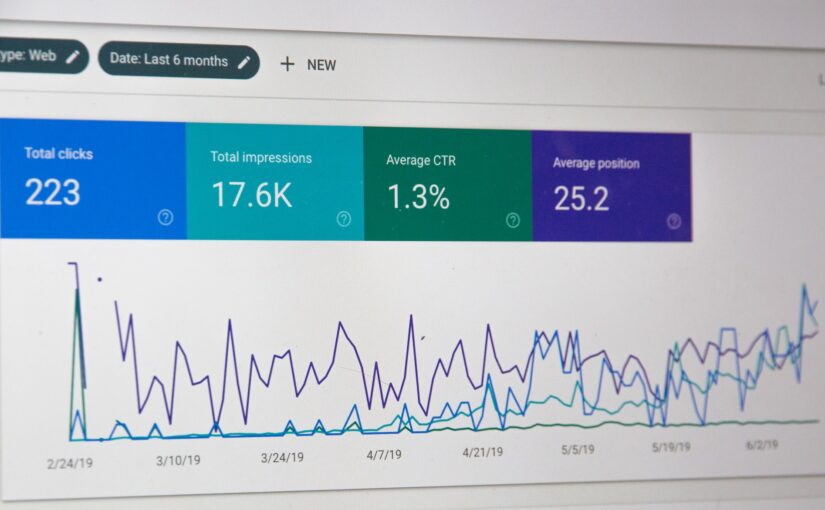
Internet marketing agencies provide businesses with detailed analytics and reporting on the performance of their online marketing campaigns. They use various analytics tools to track key performance indicators (KPIs), such as website traffic, conversions, click-through rates, and social media engagement. These agencies generate comprehensive reports that provide businesses with insights into their online marketing efforts, helping them make data-driven decisions, refine strategies, and optimize campaign performance.

Continuous Monitoring and Optimization
Internet marketing is an ongoing process that requires continuous monitoring and optimization. Internet marketing agencies monitor campaign performance, analyze data, and make necessary adjustments to improve results. They stay up to date with the latest industry trends, algorithm changes, and emerging technologies to ensure that businesses remain competitive in the digital landscape. By constantly monitoring and optimizing campaigns, these agencies help businesses stay ahead of the curve and achieve long-term success.

An internet marketing agency plays a vital role in helping businesses thrive in the digital world. From strategic planning and website design to SEO, PPC advertising, social media marketing, content marketing, and more, these agencies provide a wide range of services to drive online success. By partnering with an internet marketing agency, businesses can leverage their expertise, gain a competitive advantage, and achieve their marketing goals in an ever-evolving digital landscape.

Why hire a web agency?

In today’s digital age, having a strong online presence is essential for any business. A well-designed website is an integral part of building that online presence, as it serves as the face of the business on the internet. However, creating and maintaining a website can be a challenging and time-consuming task, especially for small businesses with limited resources. This is where a web agency can help. In this article, we will discuss the top reasons why businesses should consider hiring a web agency.

Professionalism and Expertise
A web agency consists of a team of experts who specialize in various aspects of web development, including web design, web development, and search engine optimization (SEO). By hiring a web agency, businesses can benefit from the expertise and professionalism of these experts, who have the knowledge and skills to create a high-quality website that meets the specific needs and goals of the business.

Moreover, a web agency keeps up with the latest industry trends and technologies, which can be difficult for businesses to do on their own. By staying up-to-date with the latest trends, a web agency can ensure that the website is designed using the latest technologies and best practices, providing the business with a competitive edge.

Customized Solutions
A web agency can provide customized solutions that are tailored to the specific needs and goals of the business. The agency will work closely with the business to understand its requirements and develop a website that meets those requirements. This ensures that the website is not only aesthetically pleasing but also functional and optimized for the business’s target audience.

Moreover, a web agency can provide a wide range of services beyond website design and development, such as website maintenance, content creation, and digital marketing. This allows businesses to have a one-stop-shop for all their digital needs, saving them time and resources.

Cost-Effective
While it may seem counter intuitive, hiring a web agency can actually be cost-effective in the long run. Building and maintaining a website requires a lot of time, effort, and resources. By outsourcing this task to a web agency, businesses can save time and resources, allowing them to focus on their core competencies.

Moreover, a web agency can provide cost-effective solutions that fit within the business’s budget. The agency can advise the business on the best technologies and practices to use to achieve its goals while staying within its budget.

SEO Optimization
Search engine optimization (SEO) is the process of optimizing a website to rank higher in search engine results pages (SERPs). A higher ranking in SERPs can lead to increased visibility, traffic, and ultimately, conversions. SEO is a complex and ongoing process that requires a lot of knowledge and expertise.

SEO In 5 Minutes

A web agency can provide SEO services that can help the business’s website rank higher in SERPs. The agency will conduct a thorough analysis of the website and its content and develop an SEO strategy that is tailored to the business’s goals and target audience. Moreover, the agency will stay up-to-date with the latest search engine algorithms and trends, ensuring that the website remains optimized for search engines.

Better User Experience
A website that provides a good user experience is essential for attracting and retaining customers. A web agency can design a website that is not only visually appealing but also easy to navigate and use. The agency will conduct user research to understand the business’s target audience and develop a website that meets their needs and expectations.

Moreover, a web agency can ensure that the website is mobile-friendly, as more and more users access the internet through mobile devices. A mobile-friendly website provides a better user experience and can lead to increased traffic and conversions.

In conclusion, hiring a web agency can provide businesses with many benefits, including professionalism and expertise, customized solutions, cost-effectiveness, SEO optimization, and better user experience. A web agency can help businesses build a strong online presence that reflects their brand and goals. By outsourcing their website design and development needs to a web agency, businesses can save time and resources and focus on their core competencies while leaving the technical aspects of their online presence to the experts.

Moreover, a web agency can provide ongoing website maintenance and support, ensuring that the website remains up-to-date and optimized. This is important as websites require regular updates and maintenance to ensure that they remain secure and functional.

Another benefit of hiring a web agency is that it can provide businesses with access to a wide range of skills and expertise. A web agency typically has a team of experts who specialize in various aspects of web development, such as web design, web development, content creation, and digital marketing. By working with a web agency, businesses can benefit from the collective knowledge and experience of these experts.

Finally, a web agency can provide businesses with a competitive edge by creating a website that is optimized for search engines and designed to provide a better user experience. A website that ranks higher in SERPs and provides a good user experience can lead to increased traffic, engagement, and conversions, ultimately contributing to the business’s growth and success.

A web agency can provide businesses with many benefits, including professionalism and expertise, customized solutions, cost-effectiveness, SEO optimization, better user experience, ongoing support, access to a wide range of skills and expertise, and a competitive edge. By outsourcing their website design and development needs to a web agency, businesses can save time and resources and focus on their core competencies while leaving the technical aspects of their online presence to the experts.