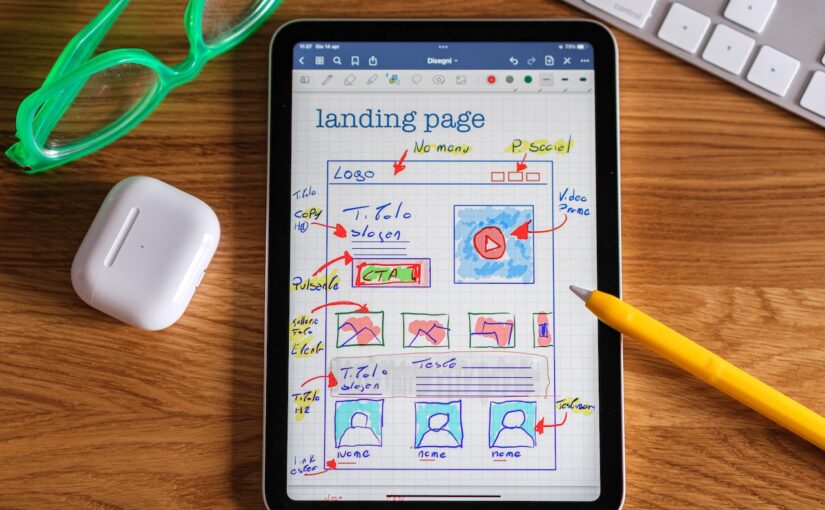
In the digital era, a captivating web design and seamless user experience (UX) are paramount for businesses seeking to engage and convert online visitors. A well-designed website not only reflects a company’s brand but also guides users through a journey that is both visually appealing and user-friendly. This article delves into the art of creating compelling web design and enhancing user experience for your clients. From understanding the principles of effective design to optimizing navigation and incorporating interactive elements, these steps will equip you to deliver websites that leave a lasting impact on users and drive business success.
Understanding the Fundamentals of Design
Effective web design begins with a solid understanding of design principles. Consider aspects such as layout, color theory, typography, and visual hierarchy. Develop a consistent color palette that aligns with your client’s brand and evokes the desired emotional response. Choose fonts that are easy to read and reflect the brand’s tone. Establish a clear visual hierarchy to guide users’ attention and lead them through the content. By mastering these fundamentals, you lay the groundwork for creating visually appealing and engaging websites.
Prioritizing User-Centered Design
User-centered design places the needs and preferences of users at the forefront. Conduct thorough research to understand your client’s target audience, their behaviors, and preferences. Develop user personas that represent different segments of the audience. Tailor your design and user experience to cater to these personas, ensuring that the website’s layout, content, and functionality meet their expectations. Prioritizing user-centered design results in a website that resonates with visitors, enhances their experience, and increases the likelihood of conversion.
Optimizing Navigation and Information Architecture
Smooth navigation is a cornerstone of a positive user experience. Organize content logically and create an intuitive information architecture. Implement clear and easily accessible navigation menus that guide users to their desired destinations. Utilize descriptive labels for menu items and ensure that users can find important information with minimal clicks. Incorporate a search functionality to help users quickly locate specific content. Well-structured navigation streamlines the user journey, reducing frustration and encouraging users to explore more of the website.
Embracing Responsive Design
With the prevalence of mobile devices, responsive design is essential. Create websites that adapt seamlessly to various screen sizes and orientations. Employ a mobile-first approach, designing for mobile devices before optimizing for larger screens. Ensure that images, text, and interactive elements are appropriately scaled for different devices. Responsive design enhances user experience by delivering a consistent and visually pleasing interface across all devices, regardless of whether users are browsing on smartphones, tablets, or desktop computers.
Incorporating Interactive Elements
Engaging users through interactive elements elevates the overall user experience. Consider incorporating features like sliders, interactive infographics, and animations that add dynamism to the website. Implement micro-interactions, such as hover effects and click animations, to provide instant feedback and enhance user engagement. Interactive elements captivate users’ attention, encourage interaction, and create a memorable browsing experience that sets the website apart.
Streamlining Load Times and Performance
Speed and performance significantly impact user experience. Optimize website load times by compressing images, minifying code, and utilizing browser caching. Choose a reliable hosting provider that ensures quick loading of web pages. Slow-loading websites frustrate users and lead to high bounce rates. A fast and responsive website keeps users engaged, improves retention, and contributes to higher conversion rates.
Crafting Compelling Visual Content
Visual content, including images, videos, and graphics, plays a pivotal role in web design. Use high-quality visuals that resonate with your client’s brand and messaging. Incorporate visuals strategically to break up text and enhance storytelling. Infuse visual content that aligns with the website’s purpose, whether it’s showcasing products, illustrating concepts, or conveying emotions. Well-chosen visuals not only capture users’ attention but also convey information efficiently and create an immersive browsing experience.
Continuous Testing and Iteration
Creating compelling web design and enhancing user experience is an ongoing process. Regularly test the website’s performance and usability through A/B testing and user feedback. Identify pain points, areas of improvement, and opportunities for refinement. Use analytics tools to track user behavior, engagement, and conversion rates. Based on the insights gained, iterate on the design and user experience to continually optimize and enhance the website’s performance.
Crafting compelling web design and enhancing user experience is an intricate blend of aesthetics, functionality, and user-centered principles. By understanding design fundamentals, prioritizing user needs, optimizing navigation, embracing responsive design, incorporating interactive elements, streamlining performance, crafting compelling visual content, and committing to continuous testing and iteration, you can deliver websites that captivate users, drive engagement, and facilitate conversions. A well-designed website not only reflects your client’s brand but also fosters meaningful connections with their audience, ensuring a positive and memorable digital journey that leaves a lasting impression.